Candles, Carols, and the Meaning of Celebration
“Christmas will always be as long as we stand heart to heart and hand in hand.” — Dr. Seuss
More Than Just a Date on the Calendar
When someone thinks about the month of December, they think almost immediately of red and green. When we have holidays, it is a time to step away from the busy moments of everyday life and focus on connection and tradition. Getting to step in the snow or let out your inner Mariah Carey can often hold more meaning than what we realize.
Celebrations like Christmas are not limited to one specific culture. Every culture has its own way of embracing joy and spending time with loved ones. Even though there are many different traditions and ways to celebrate, humans share the desire to come together, tell stories, and most importantly, smile. In this article, we will explore why Christmas is so meaningful.
A Season That Warms the Soul
In the cold midst of December, it can sometimes feel like nothing can warm us up. The days become significantly shorter as the time changes, and people spend more hours indoors. It may seem as though everyone’s spirit begins to slow down. However, even when the world feels as if it has lost some of its warmth, the holidays help pull us back into small, bright moments.
Some of the best parts of the holidays come from the smallest gestures. Simply giving your neighbors a card can help them feel the Christmas spirit. These moments remind us that holidays do not need to be extravagant to be meaningful; they can be simple and sweet.
The Christmas Playlist
No holiday season feels complete without festive music. A single song can bring back childhood memories and spark joy like no other. Whether it is hearing “Jingle Bells” at a Christmas parade or singing alone at home, music helps bring the holiday spirit to life. Studies show that around 75% of people enjoy listening to Christmas music (LaMotte, 2017), making it an essential part of the season.
The Spirit of Generosity
Gift-giving is one of the most memorable parts of Christmas. This tradition comes from the biblical story of three wise men – Melchior, Caspar, and Balthazar – who brought gifts to Jesus at his birth. Today, gift-giving reflects generosity and appreciation for family and loved ones.
In medieval times, gifts were given to children so they felt included in the celebrations. Wealthy families used the holiday to display their status by giving rare or valuable gifts, while lower-status individuals gave gifts to their lords as a sign of respect and in hopes of favor in the new year.
Iconic Christmas Traditions
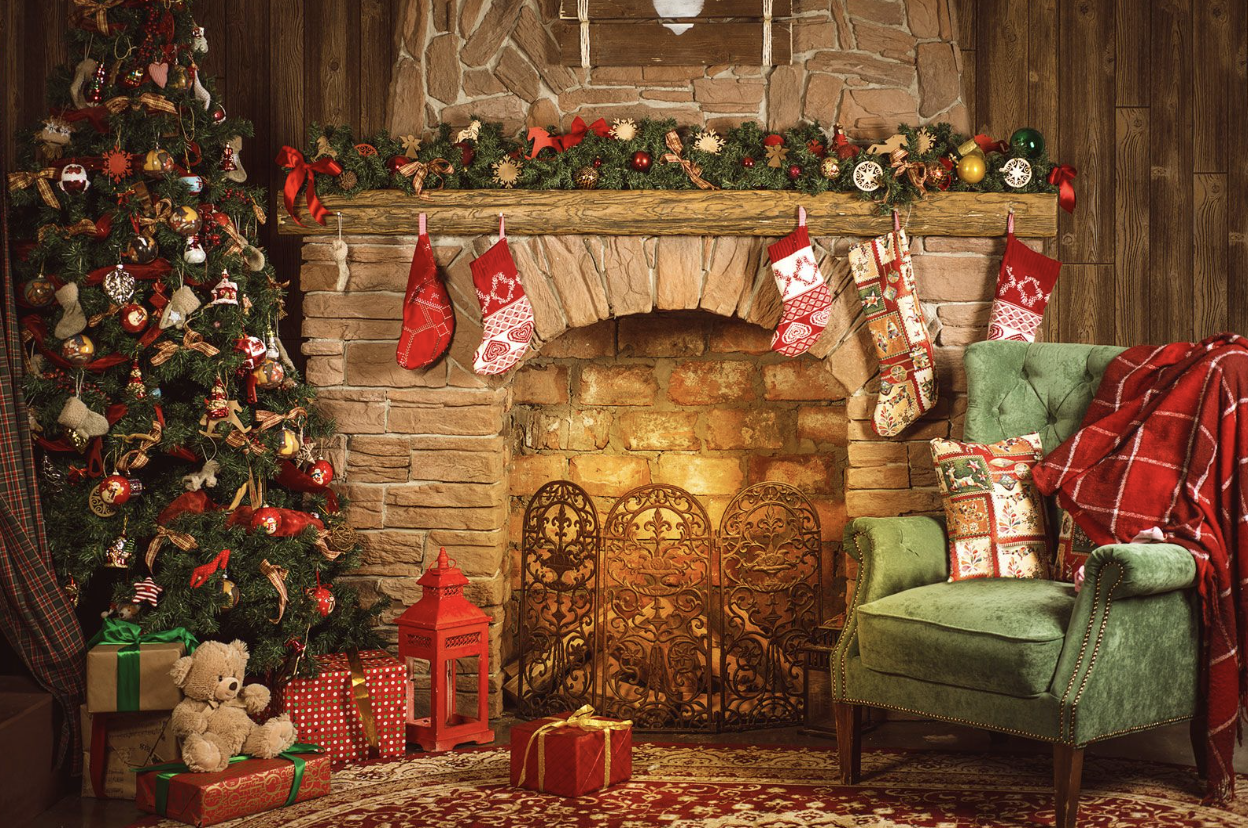
Many families love decorating their Christmas tree. It originated in 16th-century Germany, where trees were decorated with candles, apples, and ornaments. This tradition builds excitement and marks the beginning of the holiday season.
Another well-known tradition is the Advent calendar, which counts down the days until Christmas. Each day, a small door is opened to reveal a treat or surprise, starting on December 1 and ending on Christmas day. Advent calendars help children – and even adults – feel the growing excitement of the season.
Stockings are also a memorable part of Christmas. This tradition originated from stories of Saint Nicholas, who would drop coins down the chimneys of the poor, landing in stockings hung to dry. These acts were meant to bring joy and kindness.
Christmas Feasts Around the World
People around the world celebrate Christmas with different foods. Here are a few examples:
- United States & Canada: Turkey, mashed potatoes, and cranberry sauce
- United Kingdom: Roasted turkey, pigs in a blanket, and Yorkshire pudding
- Italy: Pasta, roasted meats, and panettone for dessert
- Australia: Seafood, cold meats, salads, and pavlova for dessert
- Germany: Roast goose or duck, potato dumplings, and raclette
- France: Roast turkey or capon, smoked salmon, oysters, and bûche de Noël
- Mexico: Tamales, pozole, Ensalada de Nochebuena, and buñuelos
- Sweden: Boiled potatoes, cured salmon, meatballs, rice pudding, and gingerbread
This list shows that different countries love to celebrate Christmas in their own unique way – and every option sounds delicious.
Who is Santa Claus?
Arguably the biggest icon of Christmas is Santa Claus. His origins trace back to the 4th century and are inspired by Saint Nicholas, a man known for his generosity. In the 19th century, illustrators helped shape the modern image of Santa, giving him a big white beard, a jolly red jumpsuit, and a sleigh pulled by reindeer. Today, Santa represents generosity, joy, and childhood magic, which is why he continues to be such an important part of the holiday season.
A Sparkly Wrap-Up
This article hopefully brought you into the Christmas spirit. Each year, celebrating long-standing traditions helps create joyful memories and strengthens our sense of identity. Celebrations like Christmas remind us of the importance of connection, generosity, and warmth. Stay cozy, enjoy the holidays, and cheers to the New Year.
References
LaMotte, S. (2017, December 15). Does Christmas music turn you into the Grinch? CNN. https://www.cnn.com/2017/12/15/health/christmas-music-health
Tesch, N. (2025, June 13). Merry Christmas. Encyclopedia Britannica. https://www.britannica.com/story/merry-christmas-spotlight