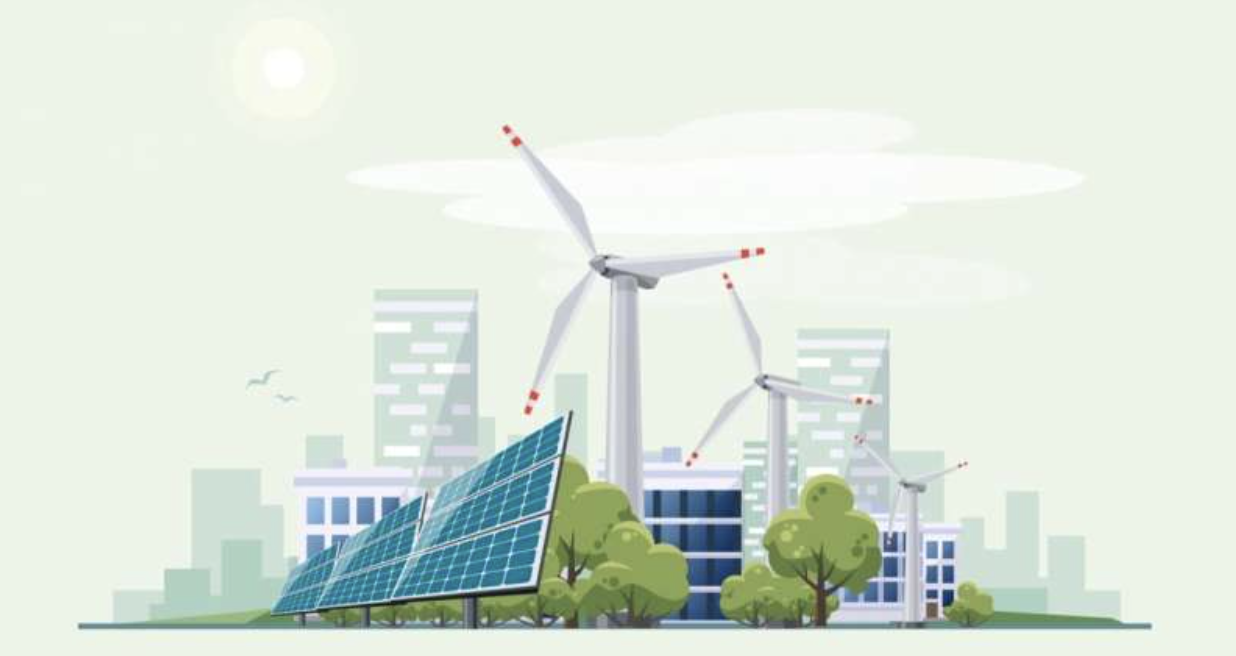
The Sustainable Future
Creating a sustainable future has become increasingly prominent in society, as the excessive emission of pollutants into our atmosphere from anthropogenic sources continues to negatively impact quality of life, resulting in health issues and agricultural decline.
Although the negative effects are still on the rise, efforts to combat them are also increasing. Globally, countries are establishing goals, policies, and agreements aimed at reversing the impacts of climate change. Through assemblies such as the UNEA, these initiatives have had positive environmental impacts. The success of these reforms is shown by improved air quality and the healing of the Earth’s protective ozone layer, which in turn improves quality of life.
What is the UNEA?
The UNEA, or United Nations Environment Assembly, founded in 2012, is the highest-ranking decision-making body when it comes to the environment and the creation of policies aimed at protecting it. Additionally, it is part of the United Nations Environmental Programme (UNEP), which is made up of all 193 member states of the United Nations and other major groups, including the Women’s Major Group (WMG), the Children and Youth Major Group to UNEP (CYMG), as well as Indigenous Peoples and their communities.
Once every two years, the UNEA gathers all ministers of the environment at UNEP headquarters in Nairobi, Kenya, to address environmental challenges and update environmental agendas and goals in an effort to combat them. This year, the seventh session of the UNEA is being held from December 8 to 12, 2025, centered on the theme “Advancing sustainable solutions for a resilient planet.” This theme promotes “a resilient planet” that prioritizes the health of ecosystems through the reduction of inputs and the enhancement of efficient outputs. Such sustainable practices include technological innovation, sustainable economic growth, and sustainable development, as well as consumption and production patterns oriented toward sustainability.
How Can You Contribute?
Although these efforts are beneficial to environmental health, everyone needs to do their part to achieve a sustainable future. Some ways you can contribute in your everyday life include:
- Conserving energy by:
- Turning off the lights when exiting a room
- Using sustainable methods of transport, such as public transportation, bicycles, and electric vehicles
- Unplugging electronics when they are not being used
- Replacing single-use plastics with reusable items, such as:
- Cloth grocery bags
- Metal drinking straws
- Stainless steel water bottles
- Recycling and composting to reduce the amount of waste in landfills
- Conserving water by:
- Taking quick showers instead of long baths
- Turning off the tap when you are done using it
- Installing low-flow appliances, such as shower heads and faucets
As a student in the Branksome community, you can also participate in initiatives led by the Sustainability Club or join the club to contribute new ideas for future initiatives. Currently, the club offers a wide variety of opportunities to get involved, including park clean-ups and the creation of a disposable collection box designed for the proper recycling of empty skincare bottles. This opportunity is available to the entire student body.
Reducing atmospheric pollution is essential for the long-term health of the Earth’s ecosystems. With the support of Canadian citizens, collective action can help decrease pollutants in the atmosphere and build a path toward a more sustainable future.
References
Cambridge. (2015). Home. Cambridge University Press. https://www.cambridge.org/
Case, W. (2024, February 20). How To Become More Sustainable In Your Everyday Life. Wave Case. https://www.wavecase.co.uk/blogs/guide/how-to-become-more-sustainable-in-your-everyday-life
Environment, U. (2018). Major Groups modalities. UNEP – UN Environment Programme. https://www.unep.org/civil-society-engagement/major-groups-modalities
Environment, U. (2022, February 25). Q&A: UN Environment Assembly. UNEP. https://www.unep.org/news-and-stories/story/qa-un-environment-assembly
PEO Canada. (2025, April 24). PEO Canada. https://peocanada.com/blogs/conserving-energy-at-home-and-at-work/
UN. (2020). United Nations Environment Assembly .:. Sustainable Development Knowledge Platform – United Nations Partnerships for SDGs platform. Un.org. https://sustainabledevelopment.un.org/partnerships/unea
UN. (2024). Theme. Environment Assembly. https://www.unep.org/environmentassembly/unea7/theme