How the World Honors Its Dead
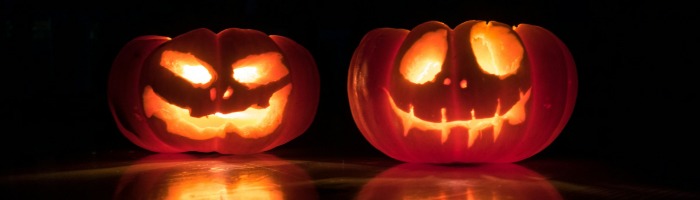
Halloween is celebrated every October 31 by many communities globally. Each year, over half a billion people wear costumes, hand out candy, or decorate their homes. At its heart, the celebration helps them to face their fear of death and remember those they have lost. Yet Halloween is only one expression of a universal impulse. There are many other traditions worldwide, and here in Canada, to honor the dead.
Halloween’s roots go back over two thousand years to the ancient Celtic festival of Samhain, a harvest celebration marking the end of summer and the beginning of winter. The Celts believed that on this night, the boundary between the living and the dead was thinnest. To scare off spirits, villagers lit bonfires and wore disguises. As Christianity spread throughout Europe, the church sought to replace pagan rituals with approved religious celebrations, associating Samhain with All Saints’ Day on November 1. The night before became known as All Hallows’ Eve, or Halloween!
When Irish immigrants brought their Halloween traditions of lighting fires and playing tricks to America, the holiday evolved into a fun community event featuring costumes and parties. By the 1930s, it had become the festive, candy-filled celebration we know today.
Many other cultures around the world have their own ways of bringing people together to honor the dead while overcoming their apprehension about mortality.
In Mexico, families celebrate Día de los Muertos, the Day of the Dead. The holiday begins at midnight on November 1 with Día de los Angelitos, Day of the Little Angels, when families welcome the spirits of deceased children for 24 hours. People create altars filled with the child’s favorite snacks, candies, toys, and photos, decorated with bright sugar skulls bearing the child’s name. At midnight on November 2, Día de los Difuntos, Day of the Departed, the focus expands to include adults with alcoholic drinks such as tequila, mezcal, and pulque; pan de muerto, a sweet bread, and jars of atole, a sweet, hot drink.
Later that day, during Día de los Muertos, people gather in cemeteries and city parades. They wear calavera, a skull face paint, and surround graves with candles and golden marigolds, known as Flor de Muerto. Mexico’s Day of the Dead stands out thanks to its elaborate traditions and striking imagery.

In the Philippines, people honor the dead on Undás, or Araw ng Patay, All Saints’/All Souls, observed November 1-2. The night before, families visit cemeteries. They bring candles, flowers, and food. They tidy graves, repaint markers, and hold overnight vigils called lamay. Cemeteries become social spaces where people eat kakanin (sticky rice cakes), pray the rosary, tell stories of the deceased, and sometimes play cards or share music. Undàs differs from Halloween by focusing on communal remembrance and presence at the gravesite.
In Indonesia, Malam Satu Suro is one of the most spiritually significant nights in Javanese culture. It marks the beginning of the Javanese New Year, aligning with Muharram, the first month of the Islamic calendar. Suro is a month devoted to prayer and honoring ancestors and departed spirits. Families visit graves to clean them, light incense, and offer prayers. Nights are filled with purification rituals, sesaji (offerings), and cultural performances such as wayang kulit (shadow puppetry).
Japan celebrates ancestors during Obon, held in mid-August. Obon is the time when ancestral spirits return home. Families clean household Buddhist altars, offer food and incense, and make bon lanterns (paper lanterns) to guide spirits. In many cities, communities perform Bon Odori dances and visit graves to wash stones, pull weeds from the grave area, and place flowers. Obon concludes with ōrō nagashi, a farewell ritual where lanterns are floated down rivers or set out to sea to send the spirits back.

Photo by Michael Mason on Unsplash
By contrast, some cultures do not have a dedicated day to celebrate the dead. Instead, they focus on commemorating each person individually.
In Ghana, funerals are particularly colorful and lively. They are filled with music, dancing, and bright clothing, turning a sad occasion into a beautiful tribute to life. One of the most recognized traditions is the display of fantasy coffins, caskets shaped like objects that represent the person’s life or career, such as a fish for a fisherman or a plane for a pilot. Ghana’s traditions celebrate the legacy of the departed with love and respect.
In Jewish culture, people remember the dead every year on the anniversary of their passing in the Hebrew calendar. Celebrations are restrained, focusing on prayers and charity, with flowers generally avoided. Families also commemorate the deceased on major holidays, such as Yom Kippur.
It is truly remarkable to see the many ways humanity remembers its dead, from Celtic bonfires to parades and solemn rituals. Some aspects of these traditions are universal, such as the desire to be together to overcome sadness and fear, while also revealing the unique relationships people have with their ancestors and the spiritual realm.
Sources:
- Cereal Ventures. “Day of the Dead (Dia de Los Muertos).” Day of the Dead, Cereal Ventures, https://dayofthedead.holiday/ .
- Diandra Paramitha. “Satu Suro: The Sacred Night That Starts the Javanese Year.” Seasia.co, 26 June 2025, seasia.co/2025/06/26/satu-suro-the-sacred-night-that-starts-the-javanese-year. Accessed 19 Oct. 2025.
- Go! Go! Nihon Staff. “What Is Obon? A Guide to the Japanese Spirit Festival.” Go! Go! Nihon, 14 Aug. 2021, gogonihon.com/en/blog/what-is-obon/.
- History.com Editors. “Halloween: Origins, Meaning & Traditions | HISTORY.” HISTORY, 18 Nov. 2009, www.history.com/articles/history-of-halloween.
- Japan Guide. “Obon.” Japan-Guide.com, 13 Jan. 2019, www.japan-guide.com/e/e2286.html.
- National Geographic. “Halloween History | National Geographic.” YouTube, YouTube Video, 18 Oct. 2007, www.youtube.com/watch?v=R-VRAemIvbI.
- “Philippines Unit: Araw Ng Mga Patay (Day of the Dead) – Good Morning Shelly.” Goodmorningshelly.com, 28 Mar. 2021, goodmorningshelly.com/philippines-unit-araw-ng-mga-patay-day-of-the-dead/.
- The Editors of Encyclopedia Britannica. “Day of the Dead | Holiday.” Encyclopædia Britannica, 2019, www.britannica.com/topic/Day-of-the-Dead.
- “Undas: A Unique Tradition of Honoring the Dead in the Philippines.” SCJ Philippines Region, 1 Nov. 2023, scjphil.org/2023/11/01/undas-a-unique-tradition-of-honoring-the-dead-in-the-philippines/